The different types of rug weaves: a complete guide
Materials and techniques — Jan 30.2026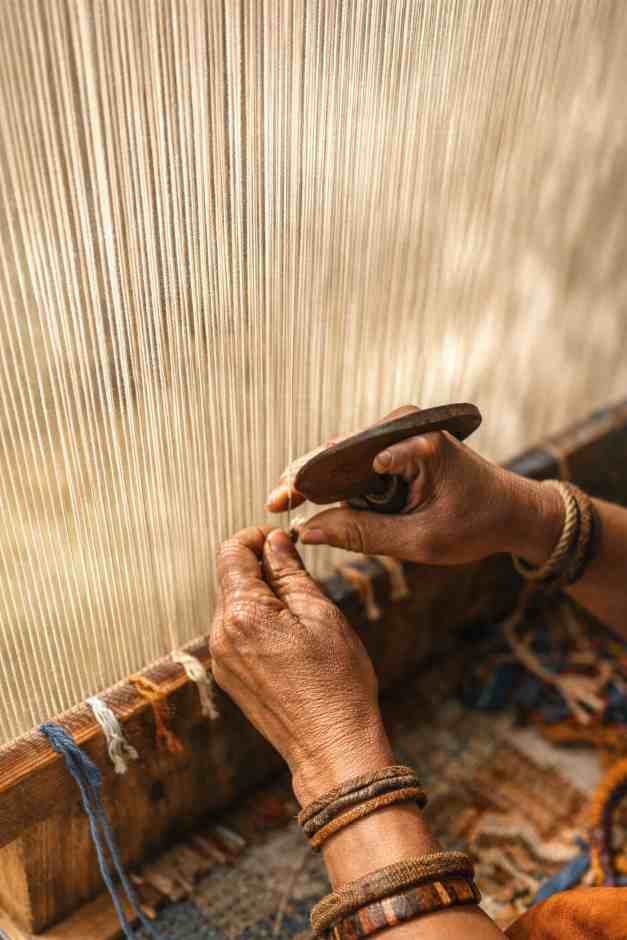
Over the centuries, various types of rug weaves have been developed, each of which guarantees the creation of unique and therefore distinctive pieces.
Knowing the characteristics and advantages offered by each technique is therefore very helpful, as it allows you to identify the type of rug that is best suited to the specific space you want to furnish.
The different types of rug weaves: what are the main techniques?
The various rug weaving techniques can be grouped into six categories. Each of them has a unique set of characteristics and properties. These are, to be precise:
· hand knotting which is also the most widely used technique. It allows for the creation of textiles that are elegant, durable and of high value.
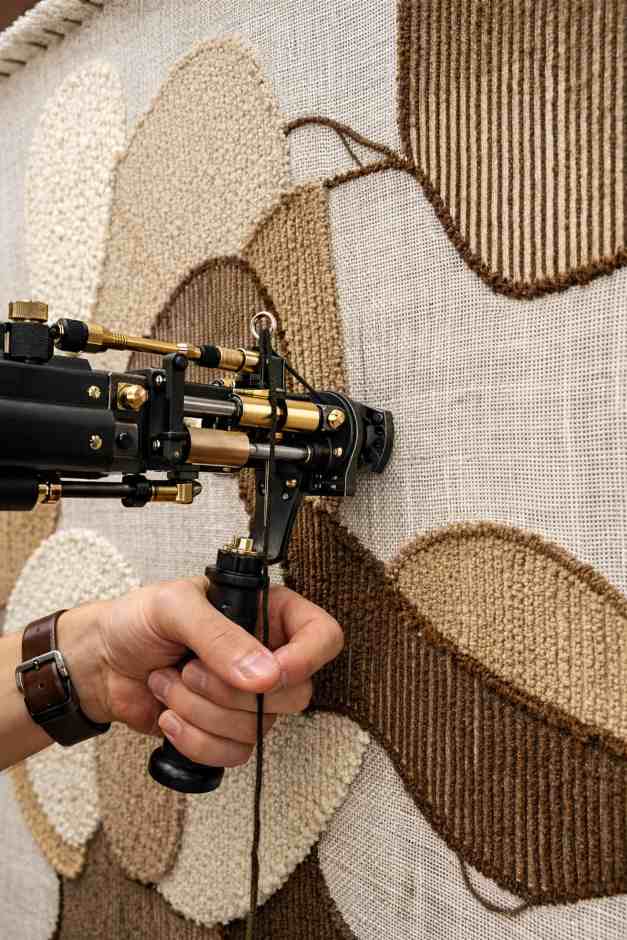
· hand tufting (manual or needle). This is one of the fastest techniques, allowing the creation of soft rugs suitable for both traditional and modern settings.
· Flat weave. Rugs made in this way have no warp and are very thin. Depending on the school of weaving, they may or may not be reversible.
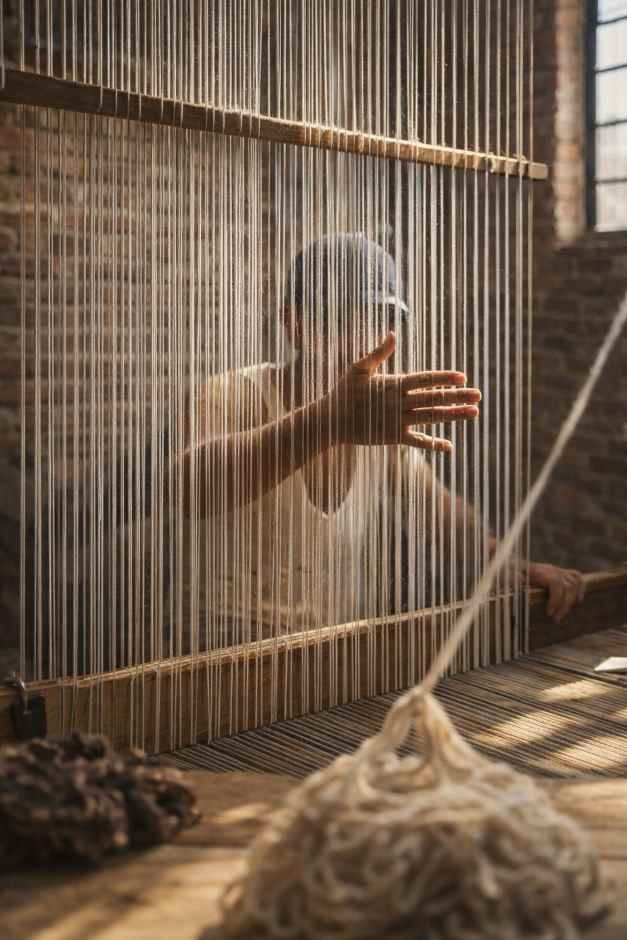
· Loom weaving. This technique is faster than hand knotting and is an excellent alternative for producing compact, high-quality rugs.
· Interweaving. Unlike other types of rug weaves, in this case the yarn is interwoven and sewn together to create the rug design.
· Machine weaving. In this type of weaving, manual skills are replaced by machine work. Production is much faster, but the quality of the pieces is significantly lower than that of handcrafted rugs.
Why is it important to evaluate the type of weaving used in a rug?
The types of rug weaves differ not only in the tools used (loom, needle or industrial machinery), but also in the effect they achieve.
Depending on how each individual item is made, the final result is therefore very different. For example, the weaving technique primarily influences the aesthetics of the product, as well as a whole series of aspects related to the intrinsic qualities of the rug, such as its value, durability, resistance and benefits.
But that’s not all. When talking about types of rug weaves, the first thing to consider is the appearance of the final product. In this sense, it should be noted that some techniques, such as knotting and weaving, allow for the creation of detailed and elaborate designs. Woven or tufted rugs, on the other hand, will have a more textured and less regular texture, with a lower degree of detail in the designs.
The value of the product is one of the aspects most influenced by the type of weaving chosen. In general, hand-woven rugs are the most valuable, especially when they are made by skilled craftsmen, when precious and fine yarns are used and when elaborate designs are created.
One feature to consider carefully is the durability of the piece. In this sense, resistance to daily wear and tear, stains and the effects of light or atmospheric agents is very important.
What else can be said about the different types of rug weaves? Well, the manufacturing technique also influences the performance of the individual piece and the benefits it can bring. For example, if you need a light, easy-to-move rug or if you are looking for a compact, stable rug to place on a delicate floor, it is best to consider different types of weaves.
Which rug weaving technique is the best of all?
It is impossible to say that one weaving technique is better than the others. Why? The reason is simple: the ideal type of weave must be identified on a case-by-case basis, taking into account the space to be furnished and the needs to be met.
Each type of rug weave therefore has advantages and disadvantages, which must be carefully contextualised, considering factors such as frequency of use, the style of the environment, the presence of children or pets, and the level of maintenance you are willing to provide over time. A detailed analysis of these elements allows you to choose a product that is not only beautiful to look at, but also functional and consistent with the daily life of those who live with it.
Any other observations on the various types of rug weaves? A machine-made rug made of synthetic fibres is the best choice for outdoor use because it is resistant to rain, humidity and sunlight. On the other hand, a hand-knotted piece made of wool and silk is the ideal option to complete the décor of an elegant and exclusive living room, where it becomes a central feature of the furnishings because it enhances the space, tells a story of craftsmanship and contributes to the perception of quality and prestige of the room.
One final consideration. In-depth knowledge of the different types of rug weaves is not just for experts. It is important for making an informed and targeted choice. To put it better, carefully evaluating the materials, the manufacturing technique and the context of use helps to identify the most suitable product, transforming it from a simple accessory to an element that undoubtedly defines the style of the environment and improves its comfort and personality.
CONTACT US! <<< Nodus has reinvented the luxury rug. It was in fact the first brand to propose the concept of the rug as a work of contemporary art.
Nodus has always created exclusive products that furnish the most beautiful homes in the world. Do you want to make your home inimitable as a work of art?
Bring a hand knotted rug of the highest quality and design into the spaces of your daily life! Give your family and the people you love the beauty of a dream masterpiece! Every piece of Nodus is designed by famous Designers, making it recognisable and prestigious. In this way, each rug is unique: you will not find another one like it. Like all beautiful and unrepeatable things, one piece in the Nodus collection sets you apart and speaks to others about your taste and elegance. CONTACT US!